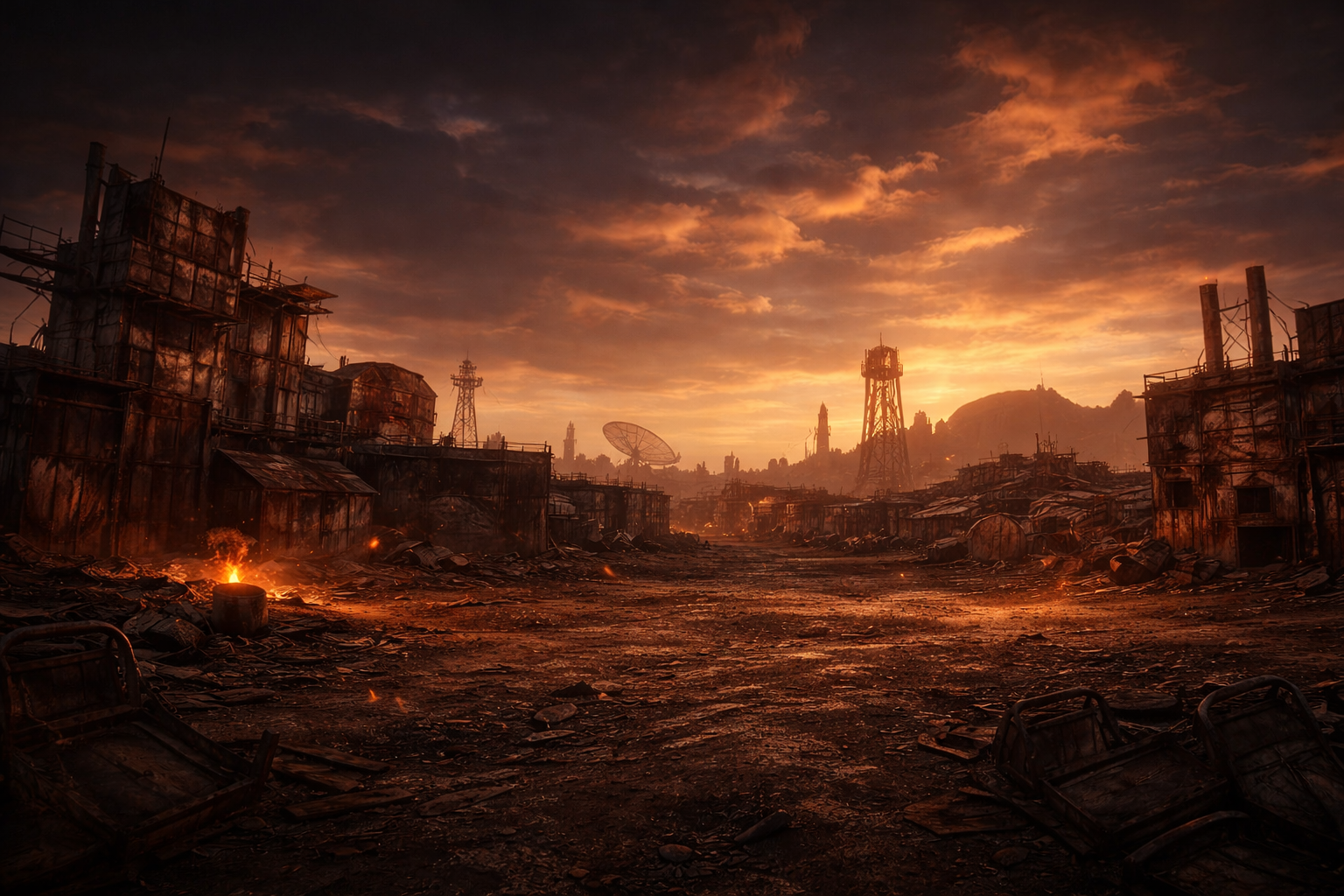
An island missing from the sensible charts. A team, a skeleton large enough to become geography, and eleven rules written the hard way.
DRAGON WORLDEXPEDITION JOURNAL № 09
The field notes of the State of Flux expedition team. September 2026.
The island was supposed to be a rumour.
Not so long ago I would have laughed at the whole business.
An island missing from the sensible charts. Hunters looking for dragon eggs. Ruins beneath the water. Bones large enough to be mistaken for trees.
Unfortunately, rumours become considerably harder to ignore when six different people tell the same one.
So I assembled a team, packed rather more ammunition than an archaeological expedition ought to require, and pointed us towards the coordinates written in red pencil across an old chart.
At dawn, we found the island.
According to every map I brought with me, it isn't here.
We found the island.
Hot, damp and far too quiet.
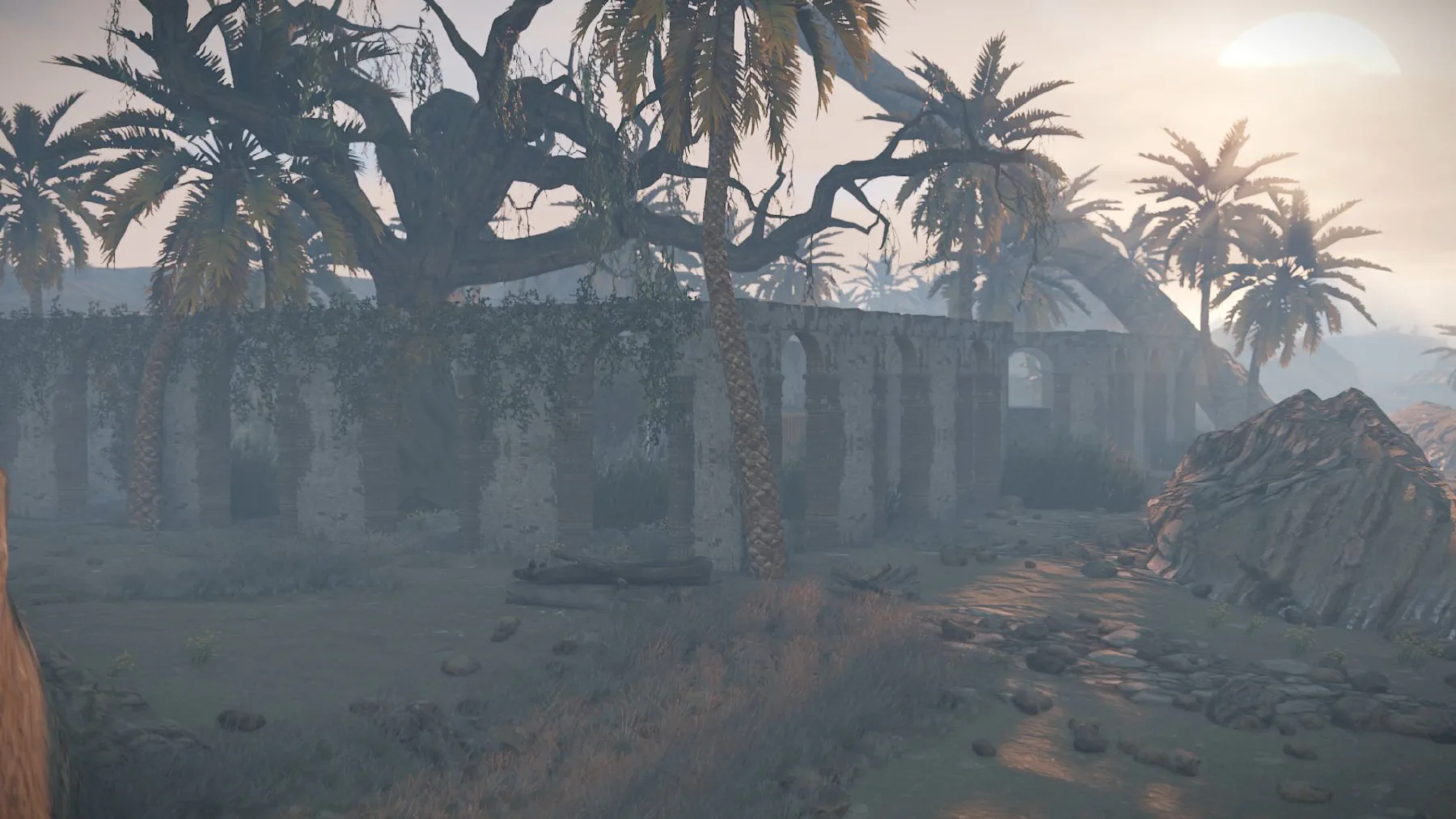
We had barely finished hauling the equipment above the tide line when one of the team spotted masonry through the palms. I ordered camp established first.
Naturally, half the team was already halfway to the ruins.
The stonework begins less than five hundred yards from shore. Arches, walls and the remains of a path sit beneath trees so large that several have simply grown over whatever stood in their way.
I had intended to spend our first day surveying the coast.
That plan lasted until lunch.
We found the hunters before we found the dragons.
The trail east was easy enough to follow once we knew what to look for. Boot prints. Cut rope. Fresh axe marks. A cooking fire somebody had left in a hurry.
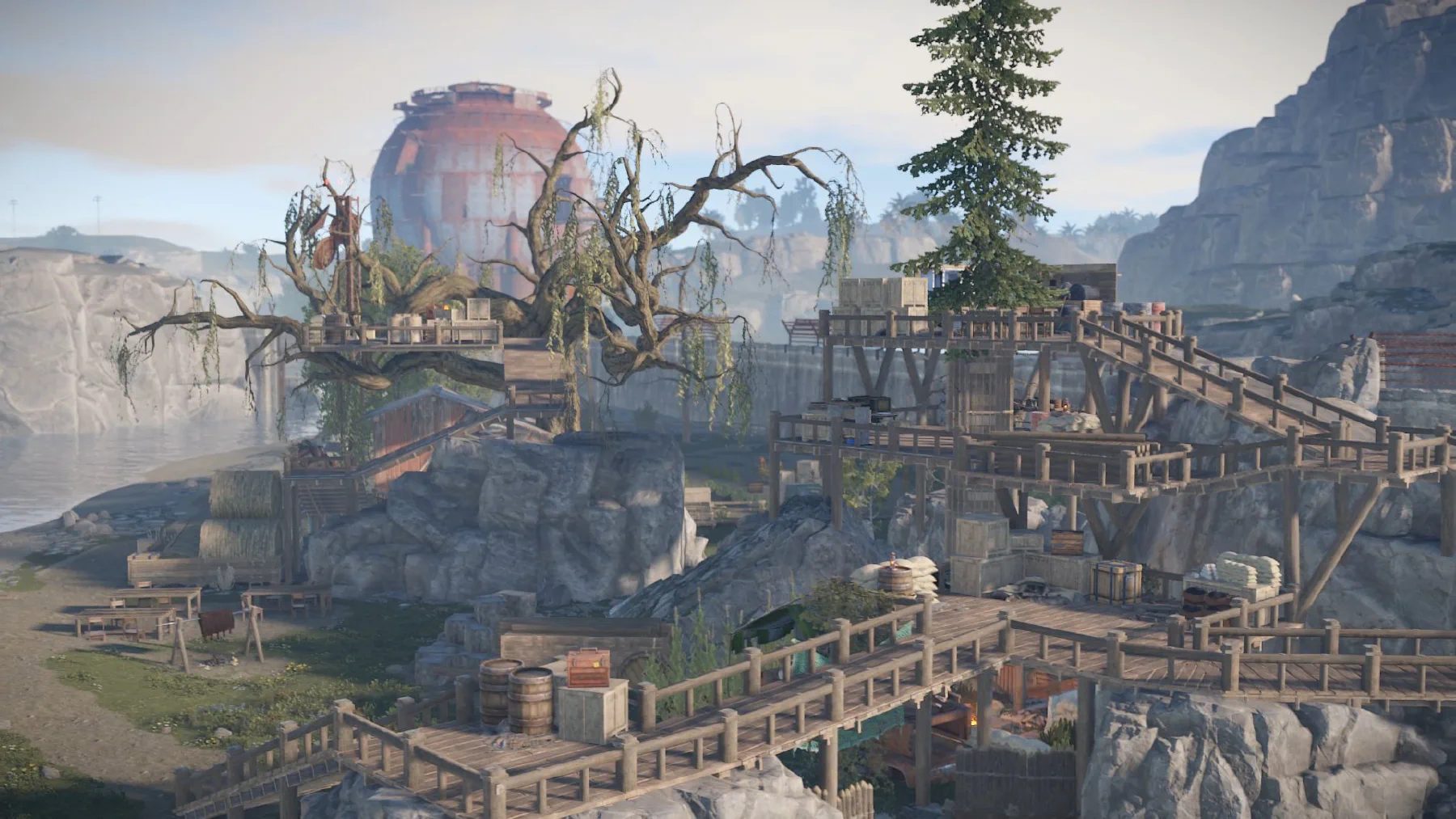
Then the trees opened and we saw the village.
“Village” is perhaps generous. It is timber, rope and questionable engineering clinging to the sides of a ravine. Walkways cross above one another, workshops have been jammed into every usable ledge, and several of the bridges appear to have been built by men with a relaxed attitude towards gravity.
The hunters were not surprised to see us.
I asked their leader about the dragons.
He looked at the team, looked at me, and pointed towards the shore.
“Go and look for yourself.”
Charming fellow.
I expected a skull. Perhaps a few bones.
I found a skeleton.
A very, very large skeleton.
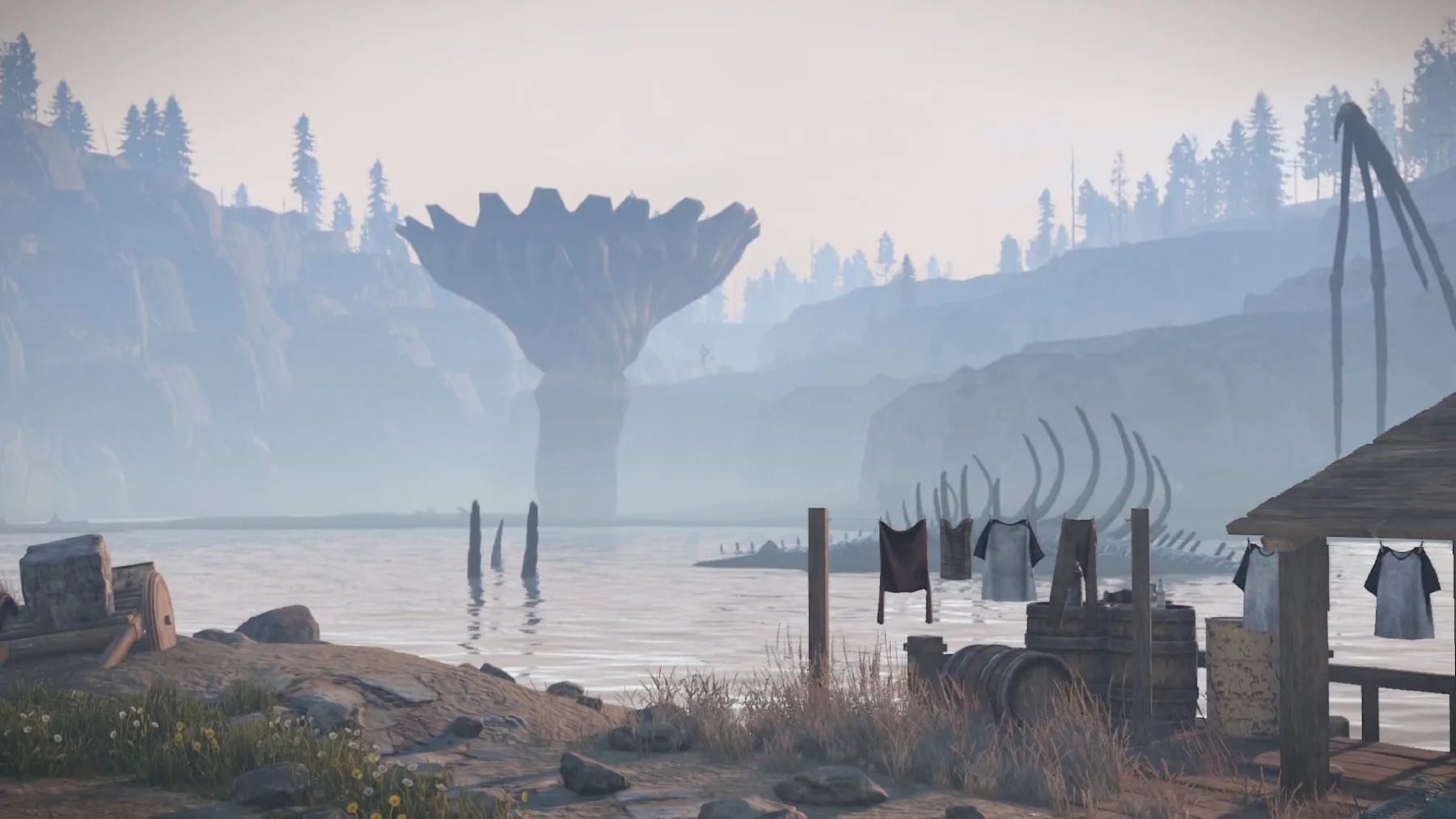
The ribs rise out of the shallows like the frame of a ship. The spine continues through the mist and disappears behind the waterline.
For several minutes nobody said anything.
Then someone asked how big the animal had been.
I told them I would answer once I found the other end.
We did not find the other end.
The skeleton does not end at the water.
We returned at first light with measuring tape, cameras and enough rope to satisfy even me.
The vertebrae continue inland.
Then we found another set of ribs.
Then another.
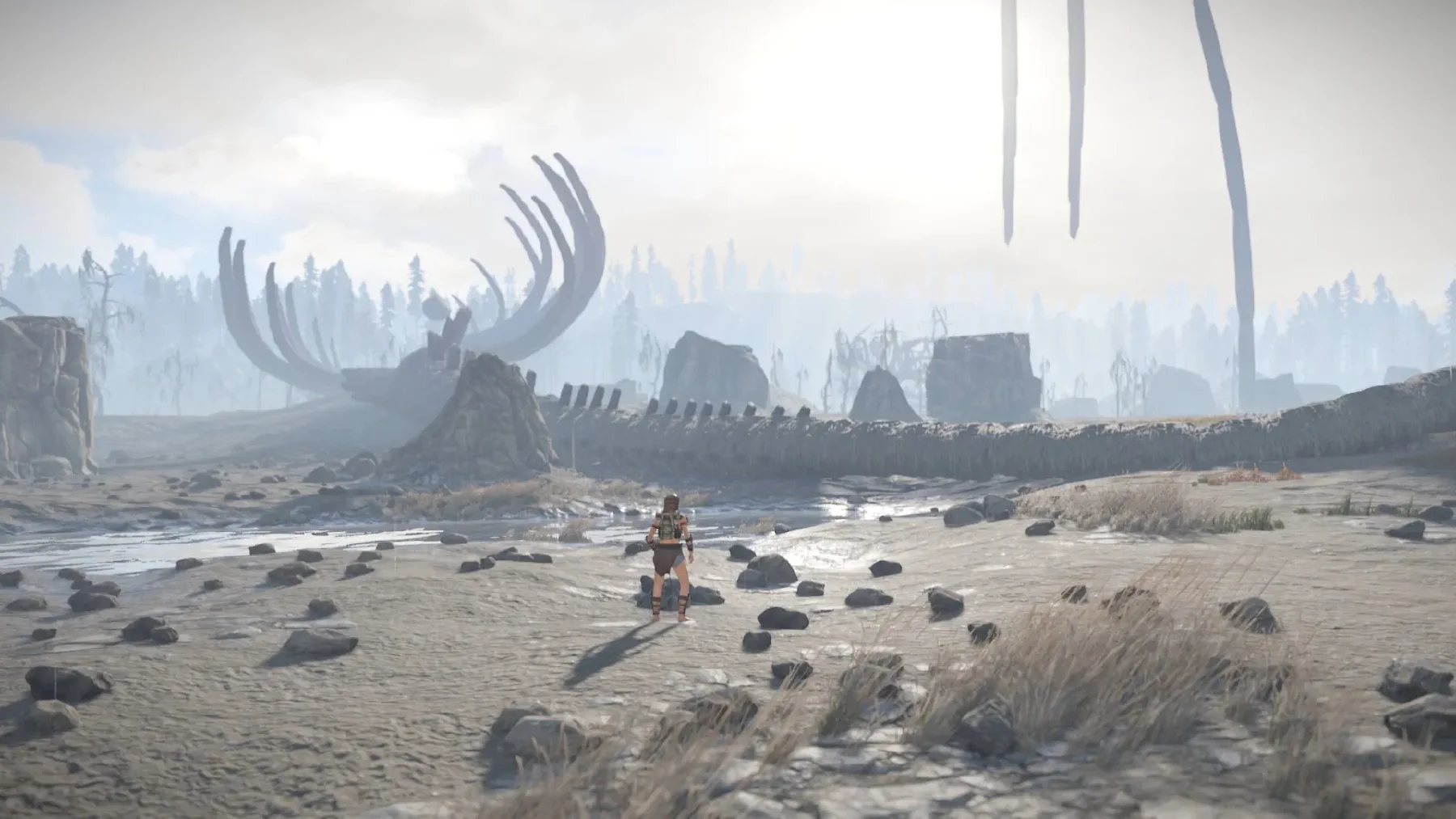
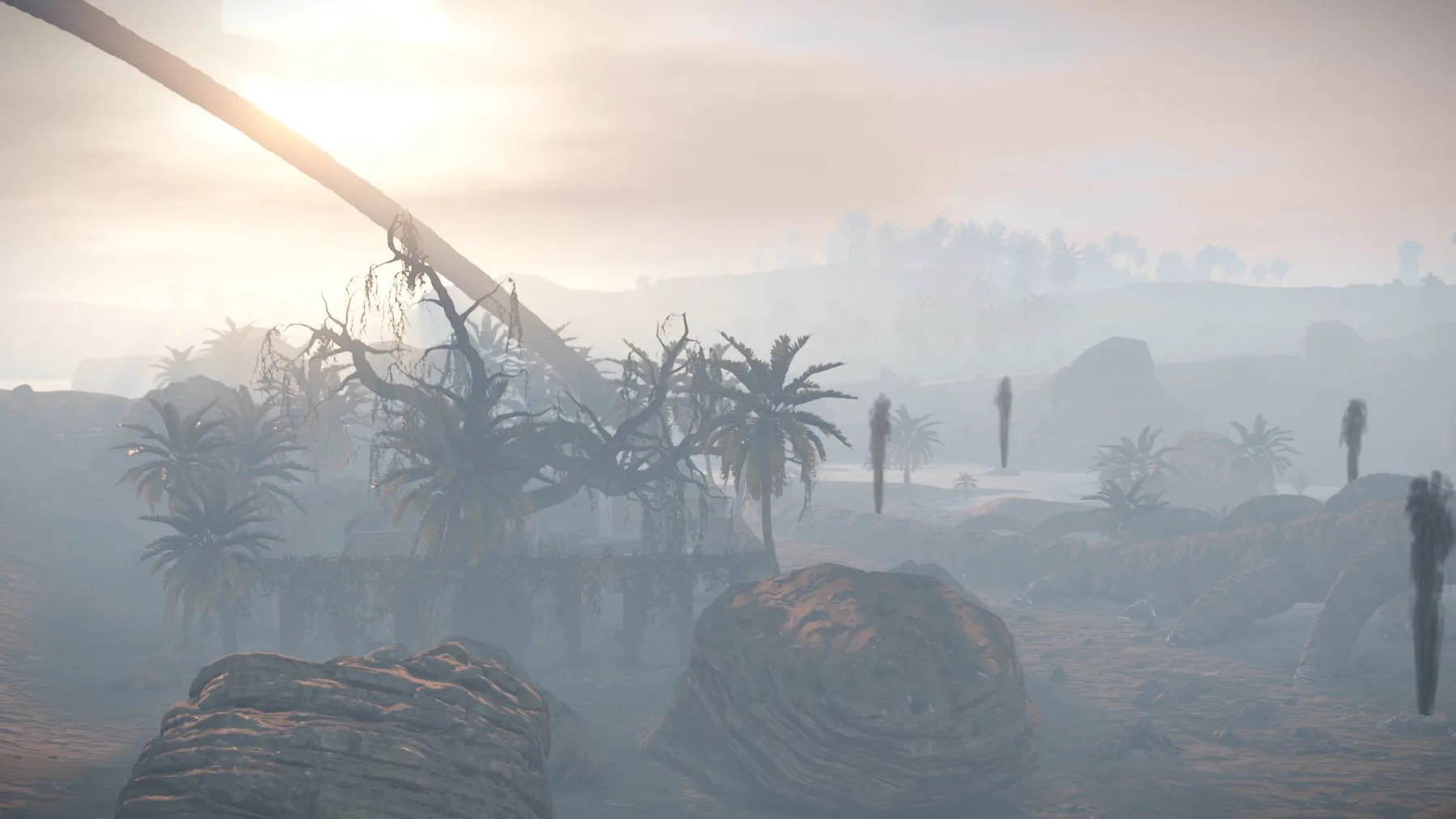
By mid-morning we had followed the remains far enough that the village was no longer visible behind us.
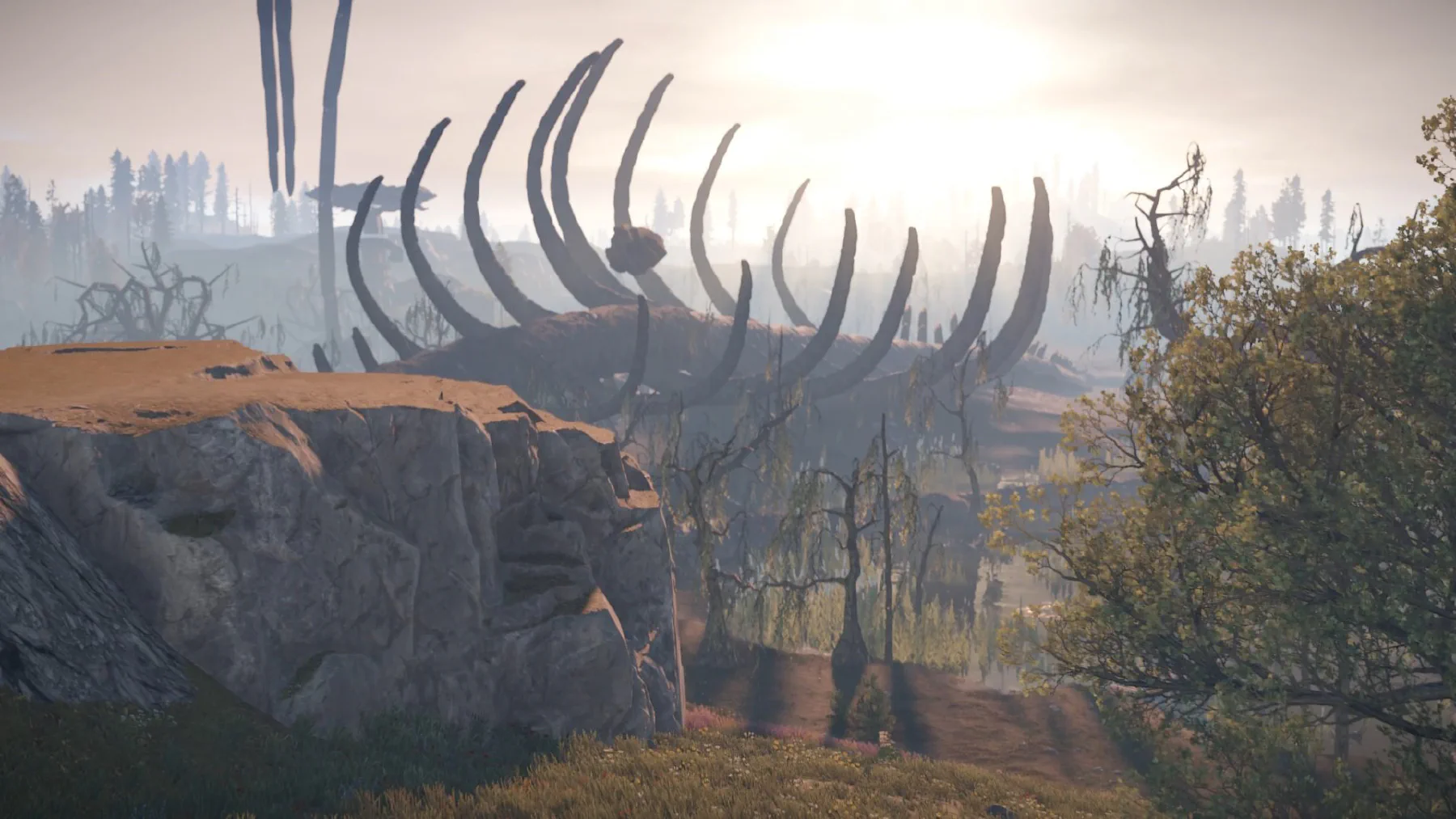
I have led expeditions through ruins, caves and places sensible people avoid.
I have never before needed to write the sentence: the animal was large enough to become part of the geography.
Then the dead dragon started throwing lightning at us.
That sentence sounds ridiculous.
I have the photograph.
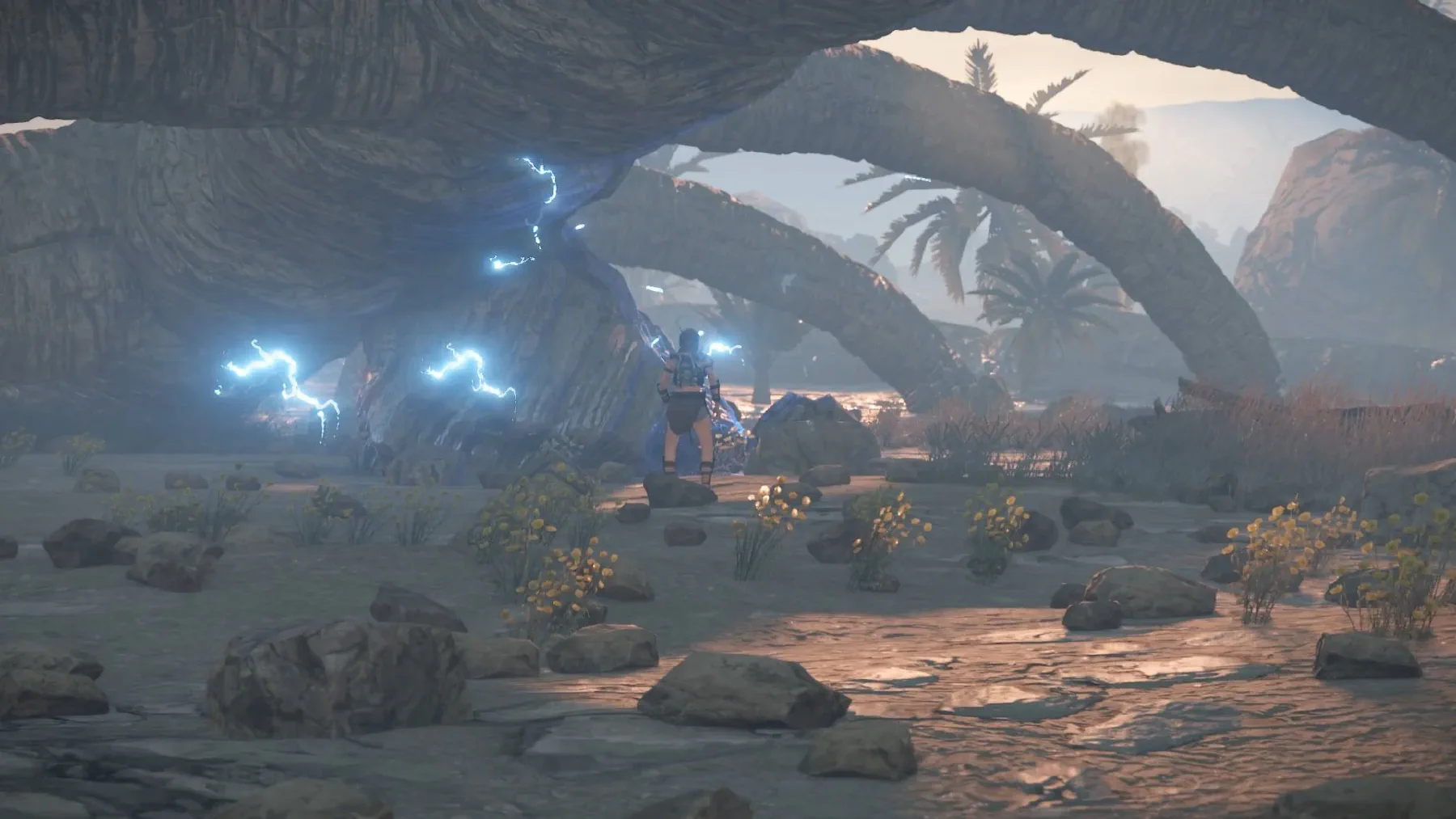
The arcs appeared beneath the largest section of bone and ran across the ground in short bursts. We could smell ozone from several yards away.
One member of the team suggested getting closer.
I asked for their next of kin.
The suggestion was withdrawn.
Someone else knew about this place.
We found the symbols south of the bone field.
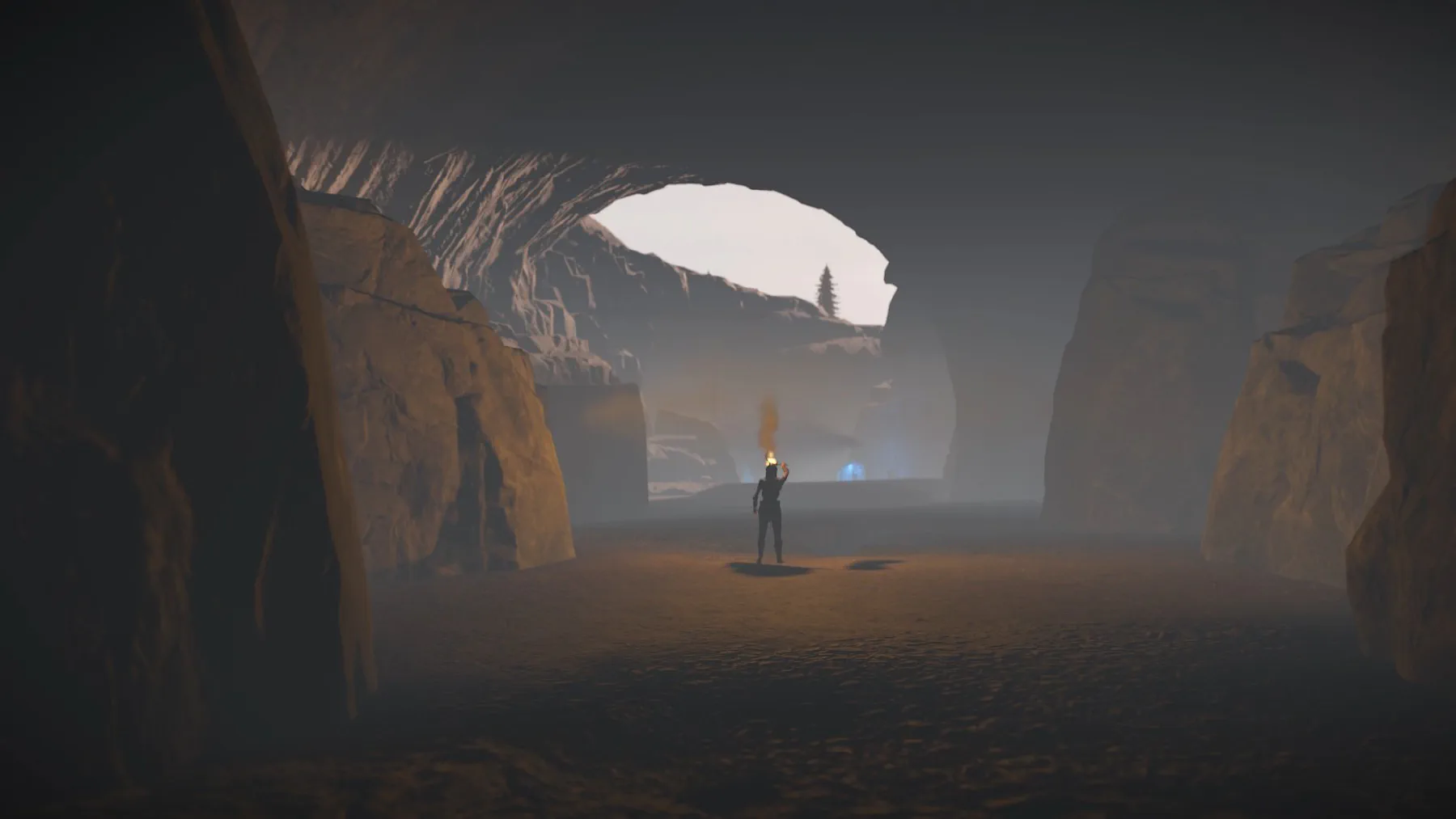
Blue marks run across the rock and continue towards an opening large enough for the whole team to enter comfortably.
That was the first thing I disliked about it.
The second was that the torches inside were already burning.
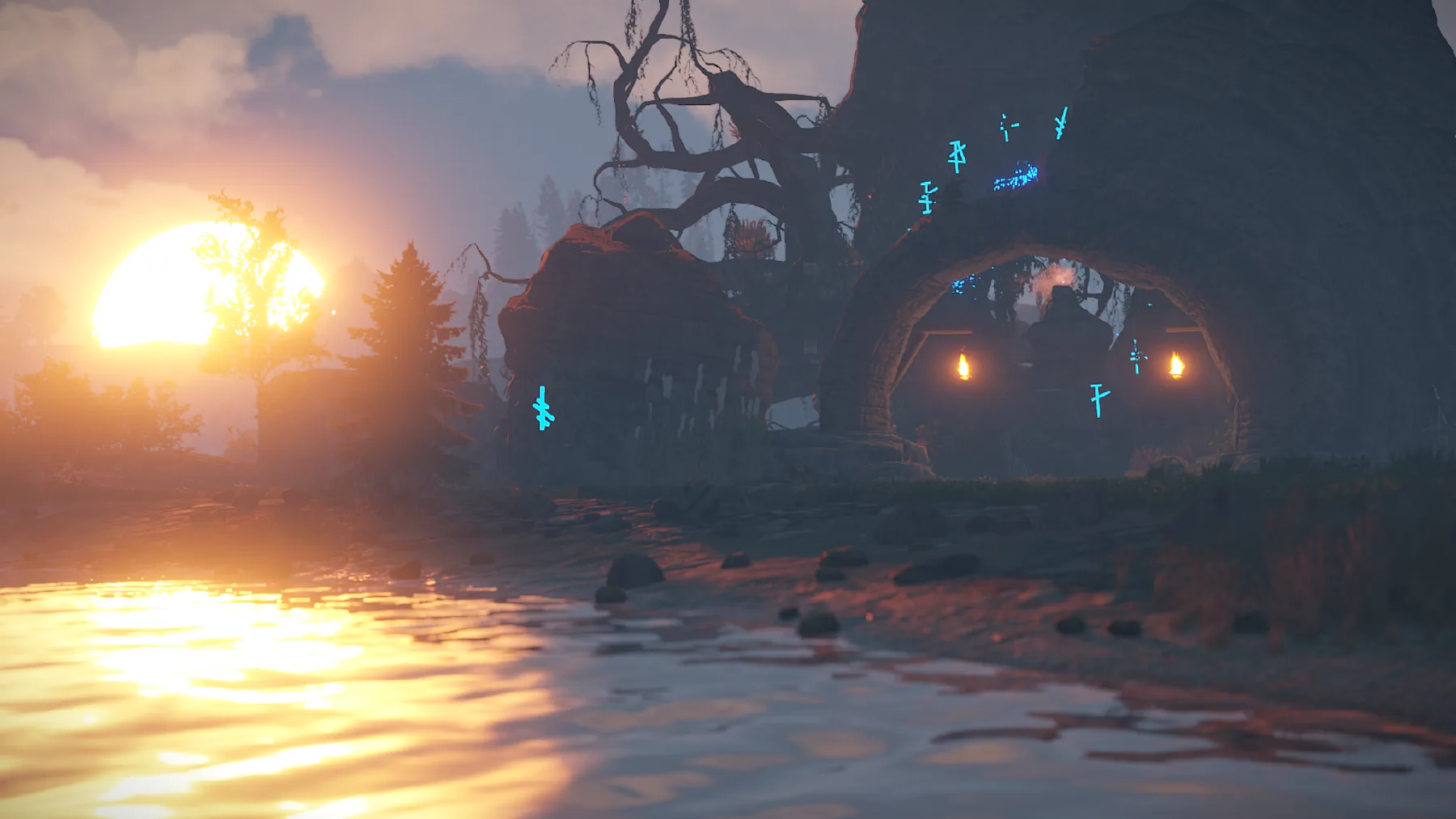
I copied several markings into the notebook and ordered the entrance left alone until morning.
For once, nobody argued.
We went in.
Of course we did.
I put two people on the entrance, kept the rest of the team together and made everybody check their rope twice.
The passage opens into a ravine far deeper than it appears from above. Somebody has built ladders, platforms and bridges across it. Some are recent. Some most certainly are not.
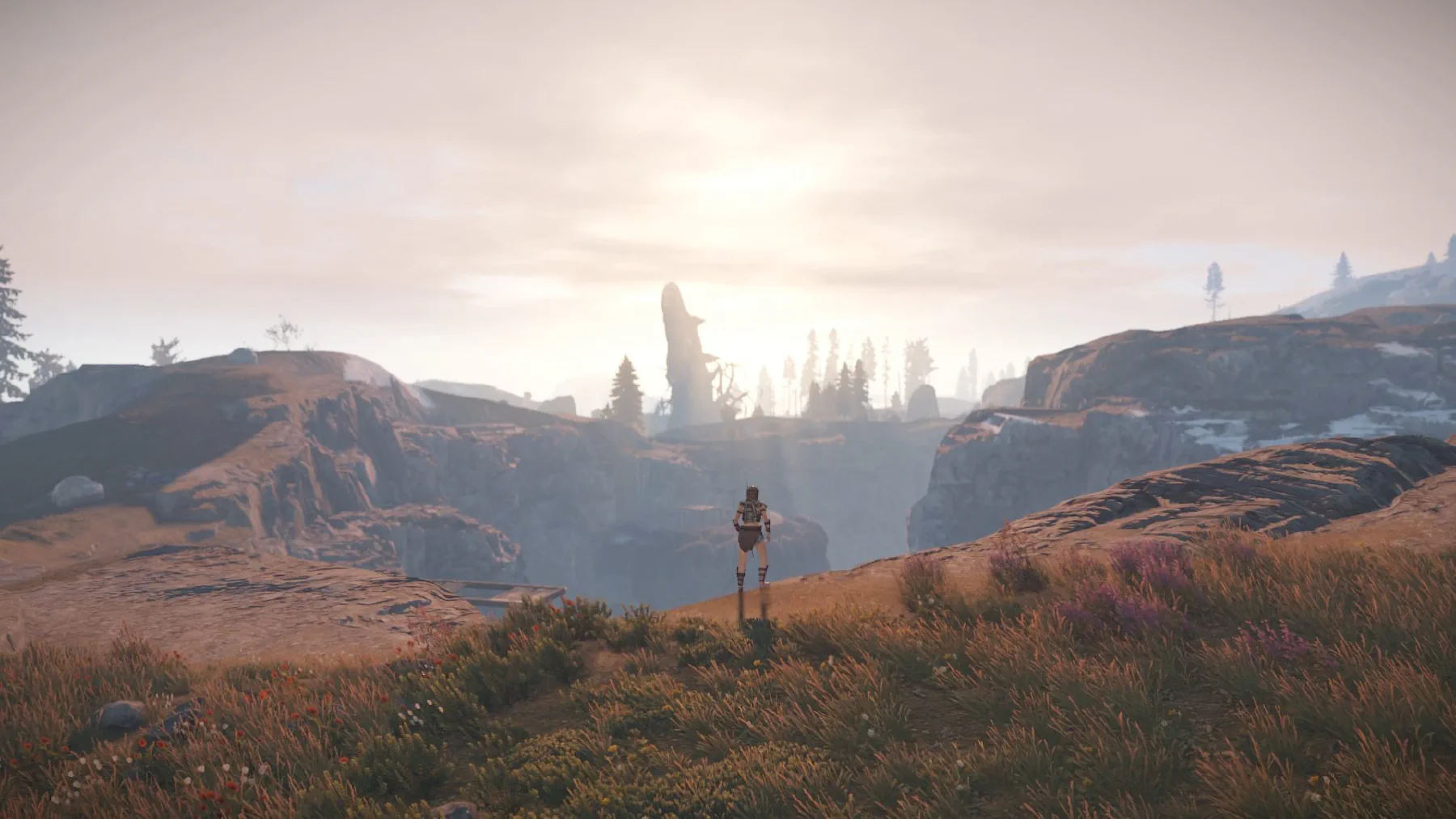
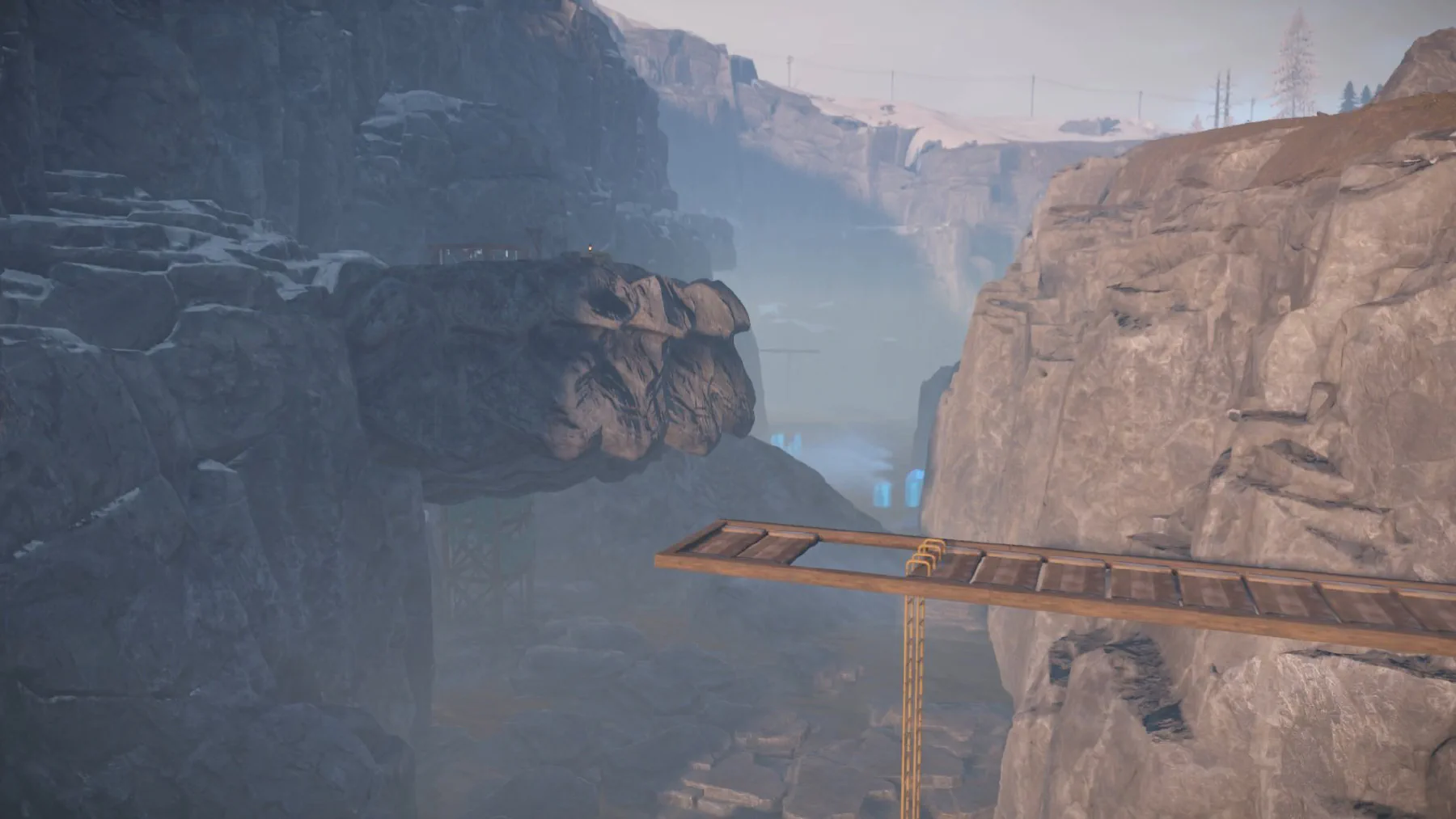
Halfway down we began hearing footsteps.
Whenever we stopped, they stopped.
I counted the team twice.
Everybody was present.
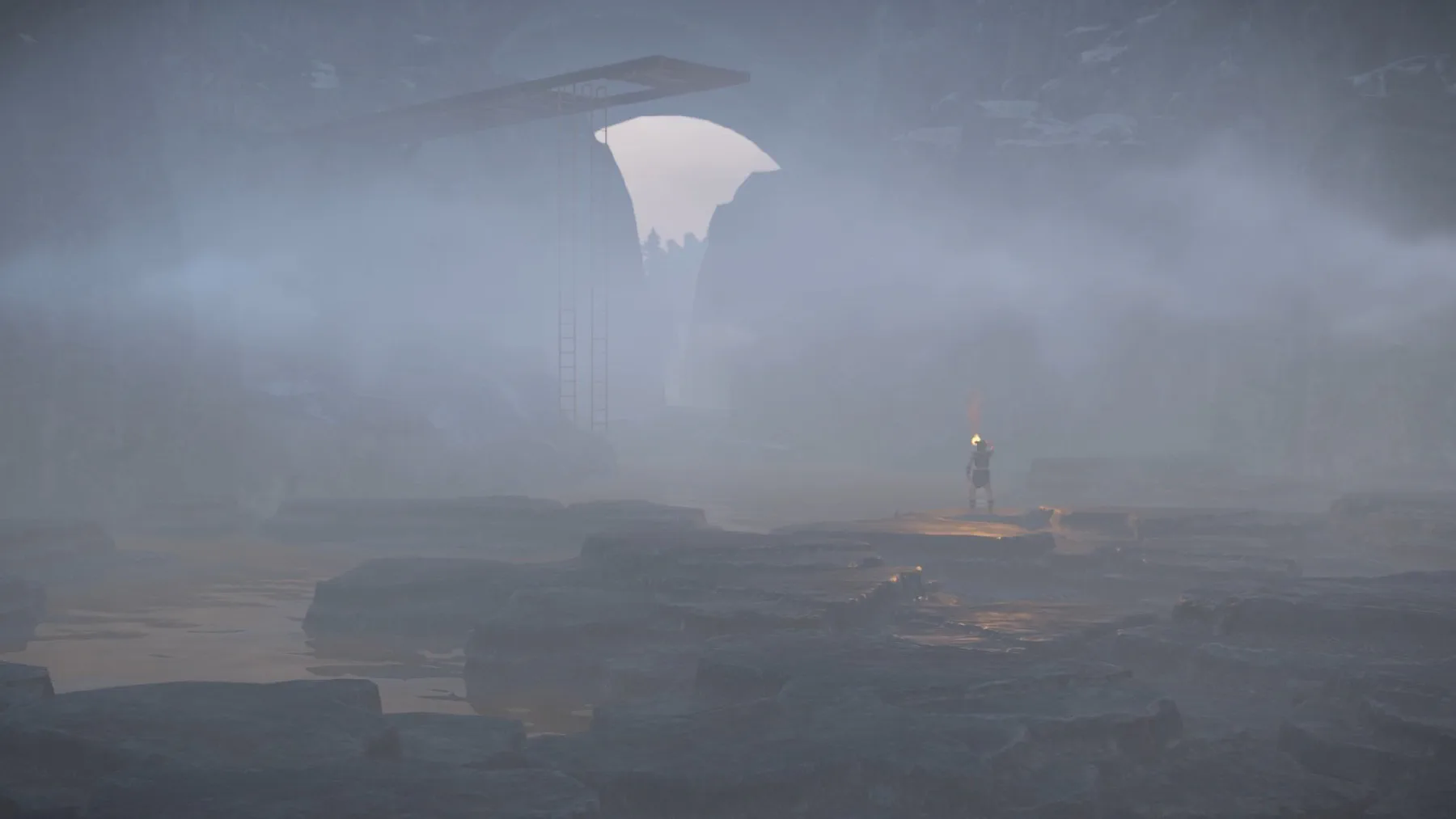
Jenkins found the blue crystals.
More accurately, Jenkins found the blue crystals and was standing far too close to them when the rest of us arrived.
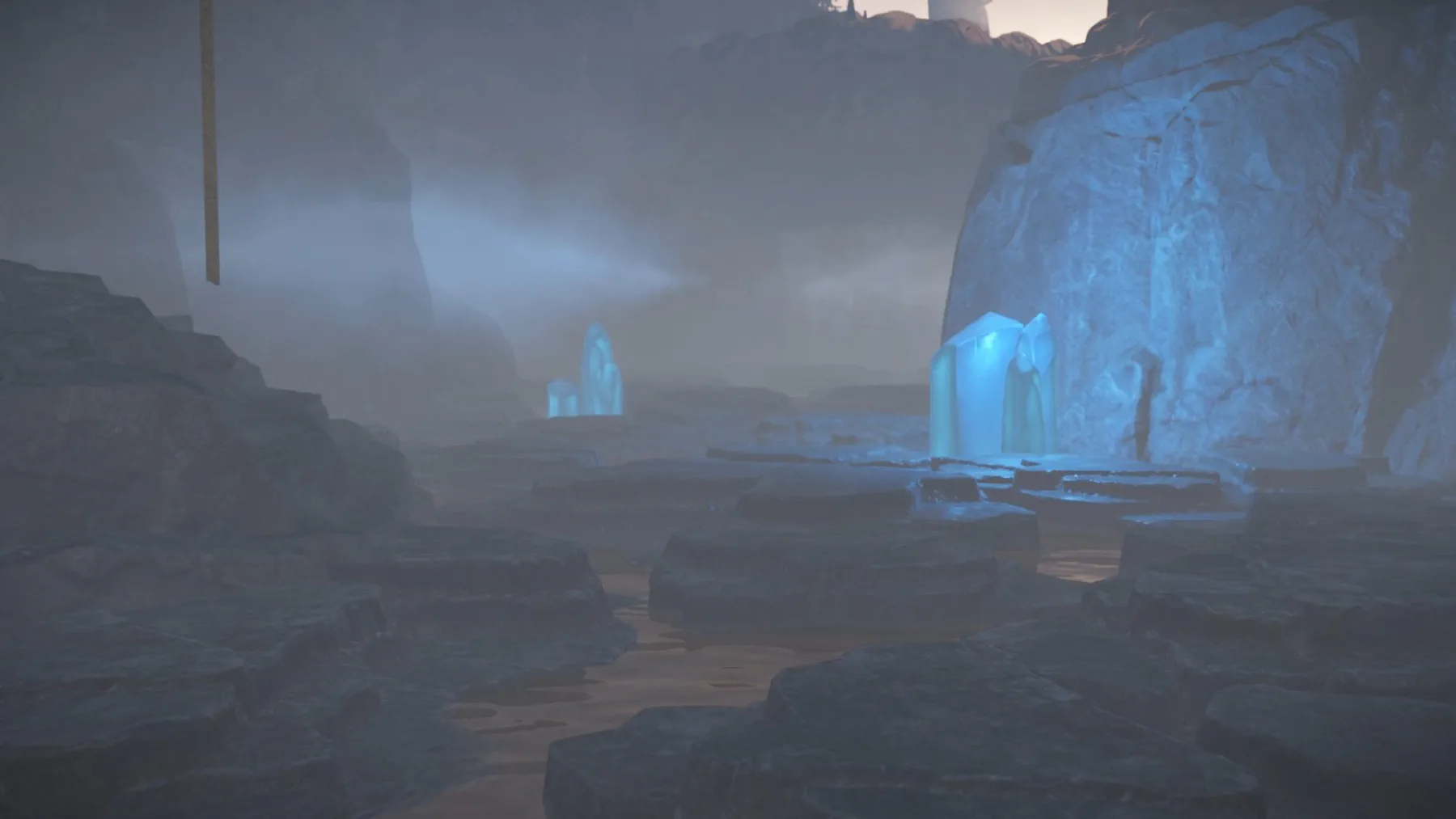
I reminded Jenkins that nobody was to touch anything glowing.
He pointed out that Rule № 5 specifically said bones.
He was technically correct.
I hate it when they are technically correct.
The view from the ridge made things worse.
We climbed out before sunset.
From the ridge we could see the remains stretching through the wetlands in both directions. What we had spent two days following was only one portion of the field.
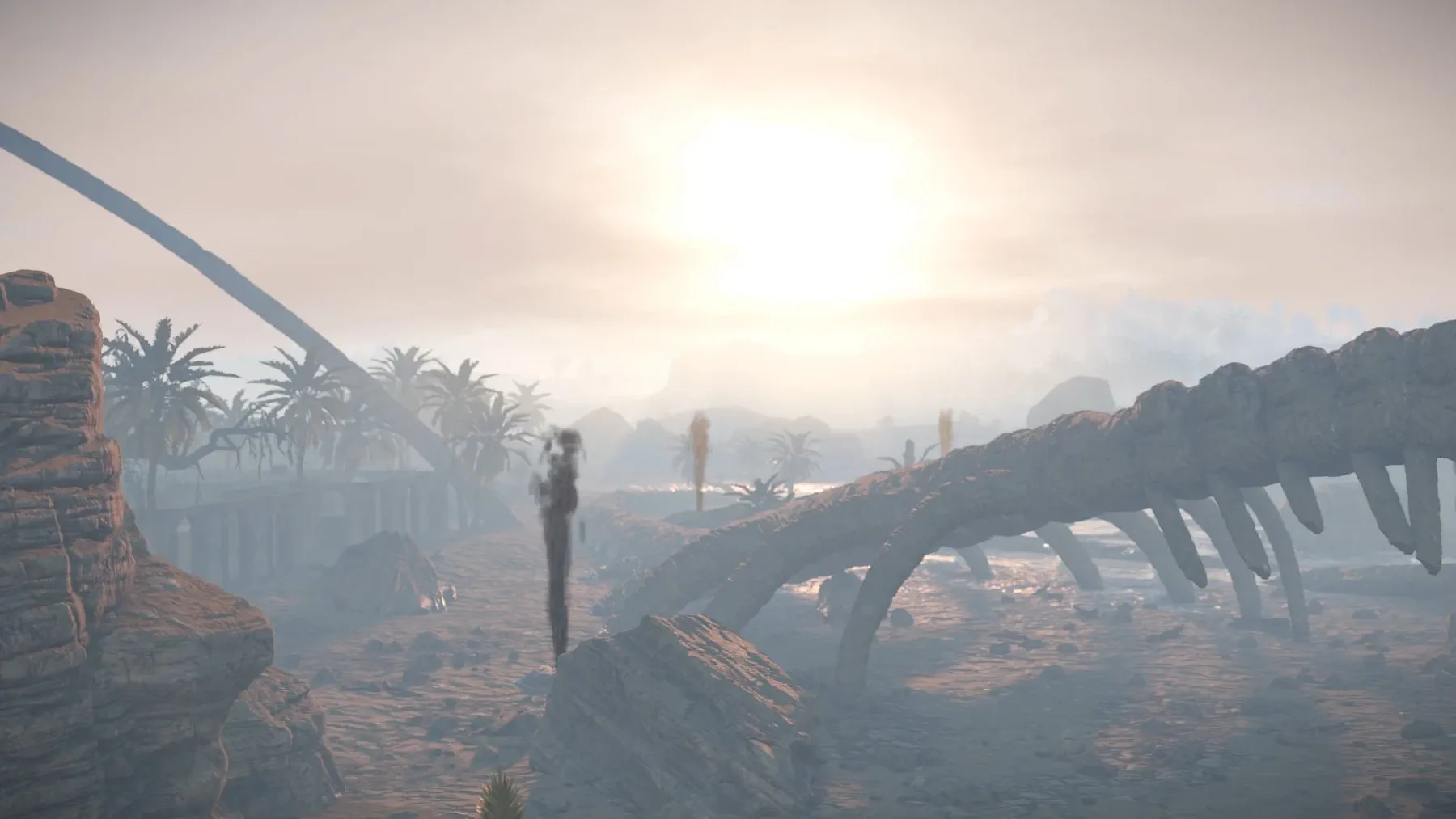
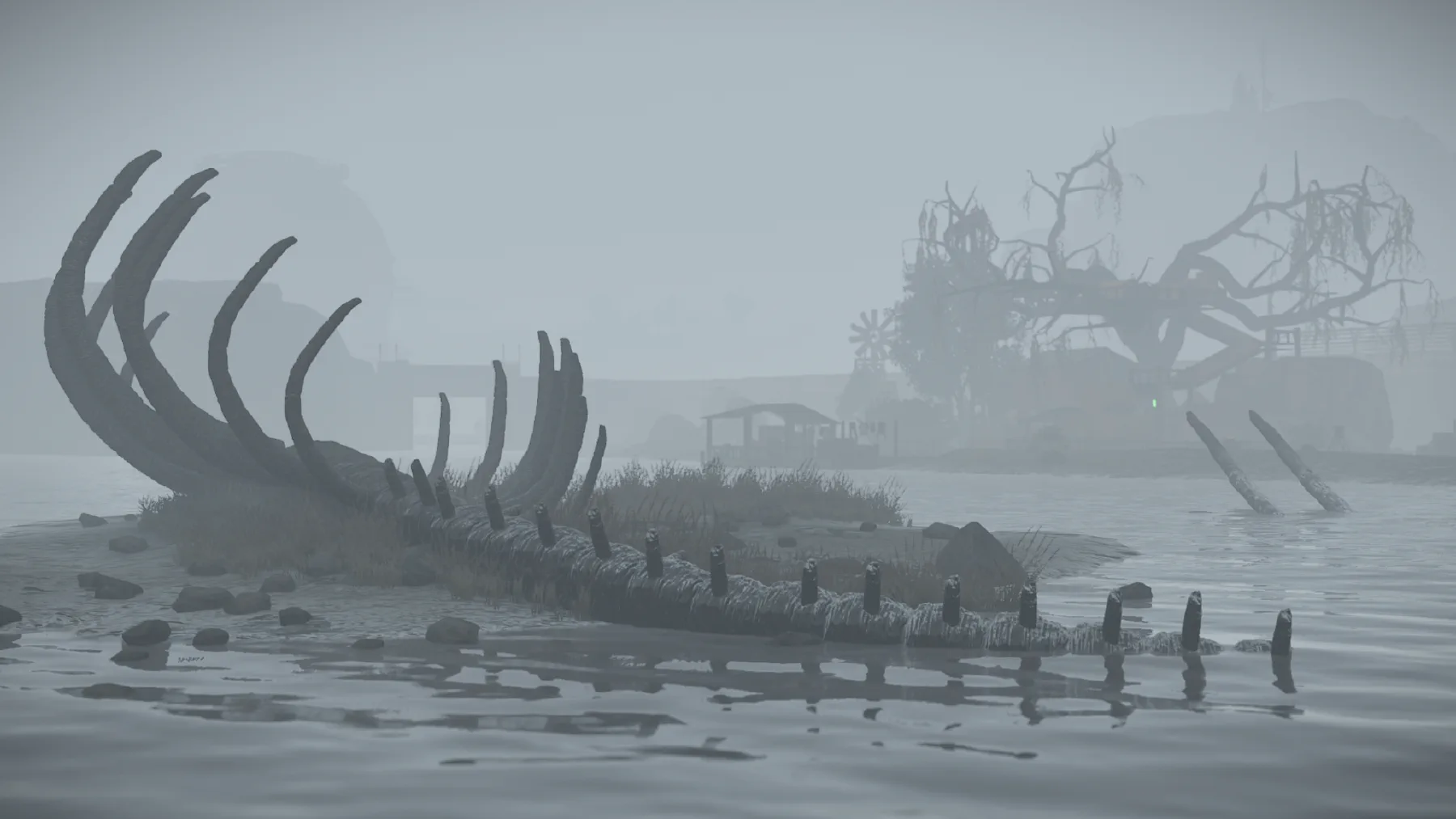
There are more remains north of the ridge.
The hunters know about them.
When I asked for the safest route, one of them laughed.
We should have been back before dark.
That one is on me.
I pushed the team too far before turning for camp and the light disappeared faster beneath the trees than I expected.
We kept close formation and killed every unnecessary lantern.
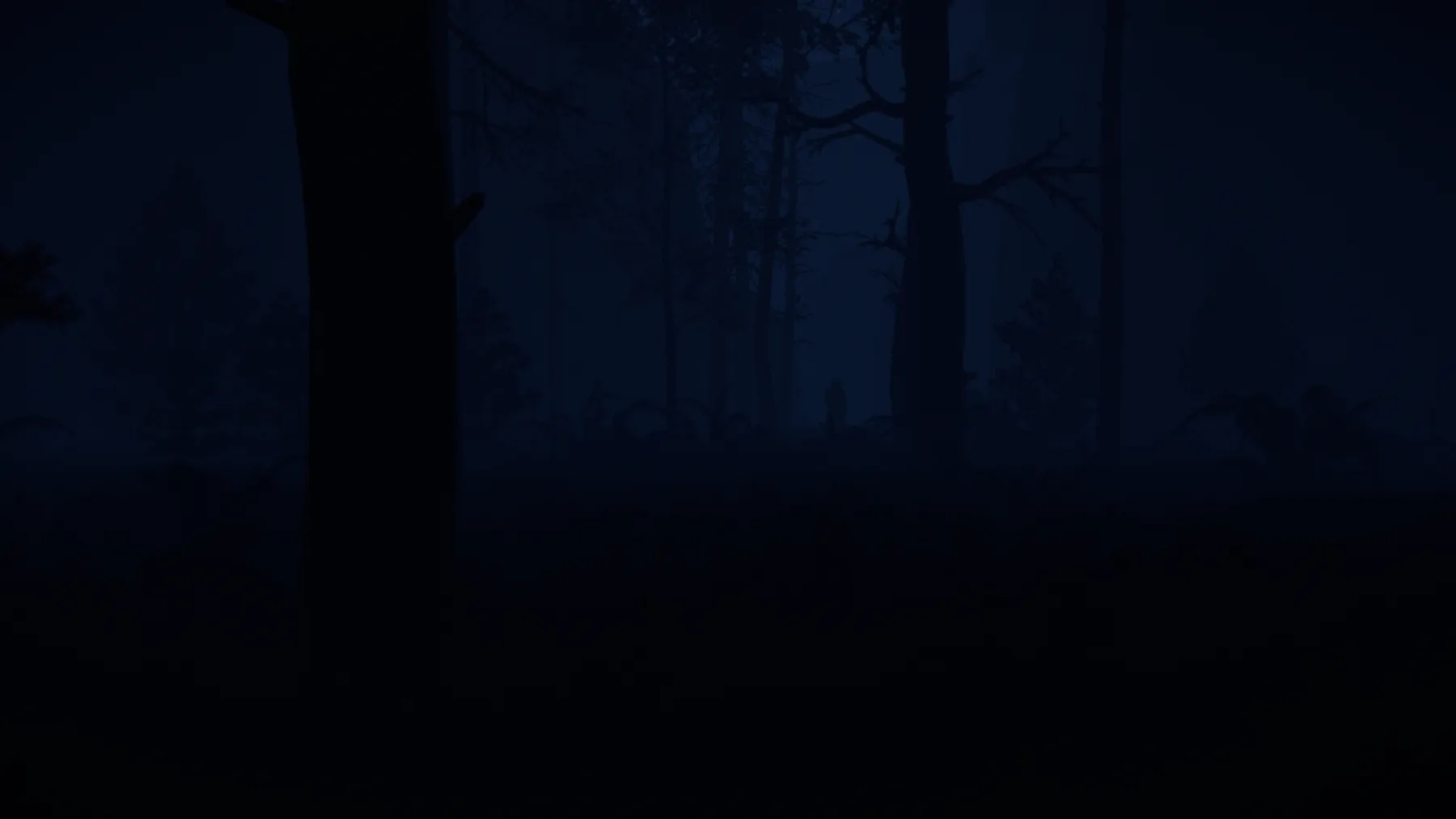
I called out once.
No answer.
Something moved between the trees.
I did not send anyone after it.
I am pleased to report that leadership occasionally improves with experience.
Current situation.
Everyone is back. Nobody is injured. Two packs are wet, one camera has developed an alarming rattle, and Jenkins is no longer allowed to define the word “touch”.
We have confirmed ruins near the coast, a hunter settlement in the ravine, several enormous sets of remains, unexplained electrical activity, marked passages beneath the cliffs and a crystal-filled cavern that continues farther than we had time to follow.
Those are the facts.
Everything else is theory.
The team is split over whether the bones belong to dragons.
I have decided this is an argument for tomorrow.
Tomorrow we go farther inland.
The hunters know of another trail north of the ridge. None of them would tell us where it leads.
That has, predictably, made the entire team want to see it.
We leave at first light.
I have packed more rope.